Key takeaway:
- Preventive dental care focuses on stopping decay and gum disease before they start, through regular check-ups, cleaning, and fluoride treatments.
- A dental practice provides screening, education, and early intervention that reduce the likelihood of costly or painful treatment later.
- Routine visits every six to twelve months are generally recommended by Australian dental health authorities to maintain oral health.
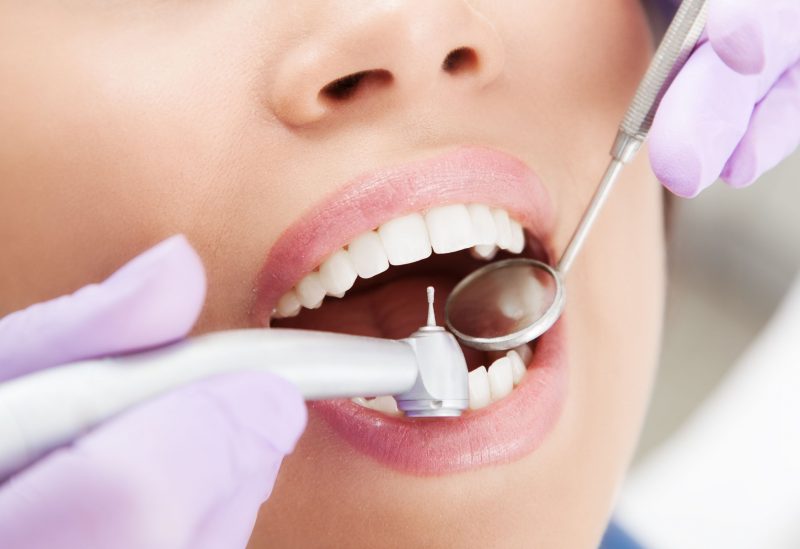
A dental practice plays a central part in preventive care by catching small issues such as early decay, plaque build-up, or gum inflammation before they progress into more serious conditions. Regular visits to a Dental Practice allow for professional cleaning, screening, and tailored advice that reduce the long-term risk of pain, tooth loss, or expensive restorative work. This approach shifts dental care from reactive treatment to ongoing maintenance.
Preventive dentistry is built around the idea that most oral diseases are avoidable with consistent habits and professional monitoring. According to the Australian Institute of Health and Welfare, brushing teeth twice daily with fluoridated toothpaste mechanically removes plaque and applies fluoride to protect tooth surfaces. For residents of Ballarat, VIC, this means preventive habits at home work alongside professional check-ups to lower the chance of needing fillings, extractions, or more invasive procedures.
What Preventive Dental Care Actually Involves
Preventive care is not a single appointment but an ongoing process built from several components working together.
- Routine examinations to identify decay, cracked teeth, or early gum disease before symptoms appear.
- Professional cleaning to remove plaque and tartar that brushing alone cannot reach.
- Fluoride treatments to strengthen enamel and reduce decay risk.
- Patient education on brushing technique, diet, and home care habits.
These elements are consistent with national guidance. The Australian Dental Association’s oral hygiene policy defines oral hygiene as the maintenance of oral cleanliness for the preservation of health and notes that plaque is the primary cause of the most common oral diseases, so hygiene strategies that reduce plaque levels can prevent disease before it starts.
Why Prevention Matters for People in Ballarat, VIC
Oral disease trends in Australia show why early intervention matters. Recent data cited by the Australian Institute of Health and Welfare recorded a 16.7 percent increase in dental caries and a 40.3 percent increase in periodontal disease nationally, alongside a notable drop in severe tooth loss over the same period. These figures suggest that while some outcomes have improved, decay and gum disease remain common concerns that preventive visits can help manage.
For people living in Ballarat, VIC, consistent access to screening and cleaning supports the same goals outlined in national oral health planning. Regular preventive care supports better oral health, while problem-based care often leads to worse outcomes because people wait until pain or infection occurs. This distinction is especially relevant for families managing children’s dental visits, where early habits set the pattern for decades of oral health.
How Often Preventive Visits Are Recommended
Recommended intervals vary by age and risk factors, though general guidance applies to most adults and children.
| Patient Group | Typical Check-up Interval | Focus Areas |
| Children (from first tooth) | From first birthday, then regularly | Early decay screening, fluoride exposure |
| Adults, low risk | Every 12 months | Cleaning, gum health check |
| Adults, higher risk | Every 6 months | Plaque control, decay monitoring |
| Patients with gum disease | As advised by practitioner | Periodontal maintenance |
National policy supports early engagement, stating that all children should have a dental examination by the time their first tooth appears or by their first birthday and be regularly seen by a dentist from that age onwards. Clinics operating from Ballarat Central follow similar screening principles when assessing patients across different age groups.
Frequently Asked Questions
How is preventive dental care different from general treatment? Preventive care focuses on stopping problems before they develop, through cleaning, screening, and education, while general or restorative treatment addresses issues such as decay or damage that have already occurred.
Is fluoride treatment only for children? No. Fluoride strengthens enamel for patients of all ages, and guidance notes fluoride reduces tooth decay and can reach people through fluoridated water, toothpaste and other forms.
What happens during a typical preventive check-up? A preventive visit usually includes an oral examination, professional cleaning to remove plaque and tartar, and a discussion of home care habits or dietary factors that affect oral health.
Why do dental authorities emphasise regular visits over occasional treatment? Consistent visits allow early detection of small issues, which generally require simpler and less costly treatment than problems that are left until they cause pain or visible damage.
Business Information and Next Steps
Based in Ballarat Central VIC, Dr Virginia Williams Dental Practice serves patients across Ballarat, VIC, with general and family dental care for people of varying ages.
Further details on appointment availability can be found by visiting the practice website, where readers can Click Here to view current contact information.